
Leaving town always comes with a list.
Pack the bags. Check the weather. Find the chargers. Remember the thing you forgot last time. Wonder why one family somehow needs nineteen pairs of shoes for a four-day trip.
And then there are the pets.
If your pets are staying home while you travel, a little preparation can make their care go much more smoothly. The good news? You do not need a color-coded binder, a laminated instruction sheet, or a full documentary about your pet’s daily routine.
Although, honestly, we would probably watch it.
What helps most is simple, clear information. Where is the food? How much do they eat? What time do they usually go out? Which cat hides under the bed? Which dog thinks the word “treat” applies to anything within arm’s reach?
A good vacation pet sitting checklist helps your sitter keep your pet’s day as close to normal as possible. That is usually what pets need most when their people are away.
What should you leave for your pet sitter before vacation?
Before you leave for vacation, write down the things we would not know just by walking through the door. Where is the food? When does everyone eat? How do potty breaks work? Where are the litter box supplies? How do we get in? Who should we call if something comes up?
It does not have to be fancy. It just needs to be clear enough that we can step into your pet’s routine without guessing.
Some details feel obvious because you do them every day. But “feed the dog dinner” and “one scoop from the blue container, mixed with warm water, served in the slow feeder” are two very different instructions.
The goal is simple: keep your pet’s care familiar while you are away.
Feeding instructions
For food, write down exactly what you do at home.
Where is the food? How much does each pet get? Do they eat once, twice, or three times a day? Does anyone need to eat in a separate room so they do not steal from the others?
If your pet gets wet food, toppers, warm water, medicine mixed in, or a certain kind of treat, add that too. The same goes for anything they should not have.
It also helps us understand what is normal for your pet at mealtime. Some pets eat right away. Some take a few bites and come back later. Some will skip a meal if they are nervous. If we know what is normal, we have a much better idea of when something seems off.
If you have more than one pet, names help. Put a name on the food container, bowl, bag, or medicine if there is any chance we could mix it up. This matters most when one pet eats something special or is a little too interested in everyone else’s dinner.
It is also a good idea to have extra food on hand in case of a delayed flight or an extra night away, so we do not end up scraping the bottom of the bag.
Medication and health notes
If your pet takes medication, write down the name, dose, and time they need it. Also note where you keep it and whether it should be given with food.
The part that helps most is how your pet actually takes it. Some pets take medicine without a fuss. Some need it tucked into cheese, peanut butter, wet food, or a very specific treat. Others can find a pill in anything and will act personally offended that you even tried.
Tell us what usually works. It keeps the visit calmer and helps us stay on schedule.
If your pet has a medical condition, allergy, seizure history, mobility issue, recent surgery, or anything else we should be watching for, add that too. You do not need to write a full medical chart. Just give us enough to know what is normal for your pet and what would be unusual.
Potty, walk, and litter box routines
Every pet has their own bathroom routine. Some are simple. Some are very specific.
For dogs, tell us what a normal day looks like. How often do they go out? Do they use the yard, go for a walk, or need both? Where do you keep the leash, harness, and poop bags?
If we are taking your dog outside, tell us anything that would help before we open the door. Does the harness go on a certain way? Does the gate stick? Is there a neighbor dog your dog reacts to? Is there a route you do not want us to take?
For cats, tell us where the litter boxes are and where you keep the extra litter and bags. Also let us know what is normal for your cat. Some cats use the box like clockwork. Some get picky when their people leave. That is the kind of thing we want to know.
Litter box details are not glamorous, but they matter. Changes in litter box habits can be one of the first signs that a cat is stressed or not feeling well.
House access and safety details
Before you leave, make sure your sitter knows how to get in, how to lock up, and where to find anything they may need during the visit.
Write down the door code, garage code, alarm instructions, key location, parking notes, and anything unusual about the locks or gates.
Also mention anything that affects the pets while we are there. Rooms that stay closed. A cat who bolts for the basement. A dog who should not go out through a certain gate. Cleaning supplies under the sink. Towels by the back door.
It does not have to be a long list. Just the things we would otherwise have to figure out while your pet is waiting for dinner.
Emergency contacts
Leave the numbers we would need if we could not reach you right away.
That usually means your cell number, another number for someone traveling with you, your regular vet, and your preferred emergency vet. If there is a neighbor, friend, or family member nearby who knows your pets, add them too.
It also helps to write down what you want us to do if something urgent happens and we cannot reach you by phone right away. Hopefully we never need that information, but it is much better to have it before a problem arises.
Tell us what kind of updates you want while you are away. Some families like a quick note after each visit. Some love photos. Some would rather keep it simple unless something seems off.
Whatever you prefer, write it down before you leave.
The little things your sitter should know
This is where pet care gets personal.
Tell your sitter about the details that make your pet feel more comfortable. Maybe your dog eats better after a walk. Maybe your cat hides from new people. Maybe one pet steals food, another needs the TV left on, and the bunny is clearly in charge.
As pet owners ourselves, we know the little things matter. They may sound small, but they can help your pet feel safer and more settled while you are gone.
Should you leave written instructions for your pet sitter?
Yes. Even if you already talked through the routine, written notes give your sitter something to check during the visit.
For multiple pets, names help a lot. Give each pet their own little note, especially if food, medicine, or routines are different. That keeps us from guessing who gets what.
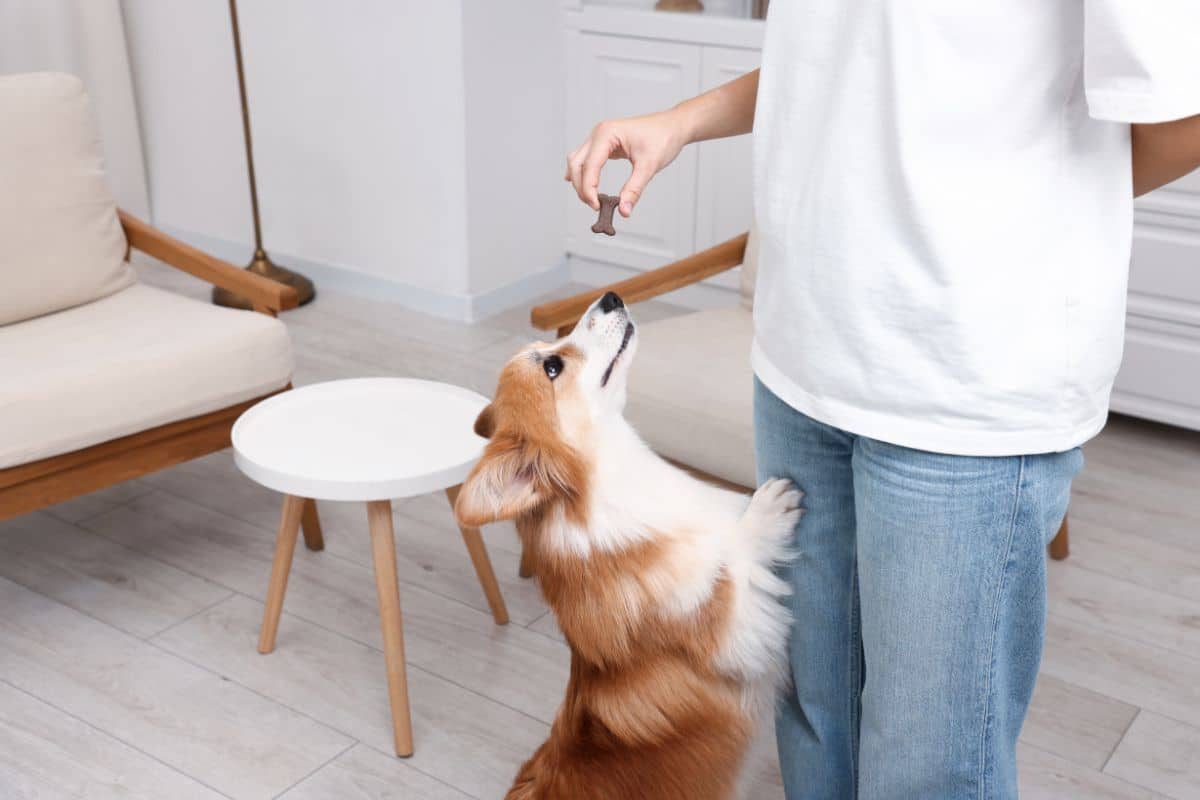
Before you leave: a simple vacation pet sitting checklist
Before you head out, do one quick pass through the house with your pet’s routine in mind.
Food and treats
- Food set out or easy to find
- Meal times and portions written down
- Food labeled by pet, if needed
- Approved treats available
- Allergies or off-limits foods noted
- A little extra food in case plans change
Medication and health
- Medication name, dose, and timing written down
- Medicine stored where your sitter can find it
- Instructions for how your pet usually takes it
- Recent health changes mentioned
- Vet and emergency vet information included
Dogs
- Leash, harness, and poop bags easy to find
- Potty break or walk routine written down
- Any leash behavior mentioned
- Crate instructions included, if needed
- Favorite routes or places to avoid noted
Cats
- Litter boxes shown or clearly listed
- Extra litter and bags available
- Feeding routine written down, especially for wet food
- Favorite hiding spots mentioned
- Anything unusual to watch for noted
Home details
- Key, door code, or garage code tested
- Alarm instructions written down
- Parking notes included, if needed
- Thermostat or light preferences mentioned
- Cleaning supplies easy to find
- Gates, doors, and pet areas checked
Emergency information
- Your contact information
- A local backup contact
- Regular vet phone number
- Emergency vet phone number
- What to do if urgent care is needed

What should you do the day before you leave?
The day before your trip, do one last walk-through.
Check the food, medicine, keys, codes, litter, leashes, and emergency information. Then look around for anything your sitter would not know on their own.
Maybe your dog will not eat unless the bowl is moved away from the other dog. Maybe your cat hides in the closet and should not be mistaken for missing. Maybe your senior dog needs a rug by the back door because the floor gets slippery.
Those are the details worth writing down.
What if your pet’s routine changes before vacation?
If something changes before you leave, tell your sitter.
This could be new medication, new food, an upset stomach, limping, skin irritation, behavior changes, a new fear, changes in appetite, or a recent vet visit.
Pets do not always pick convenient times to act differently. If your dog suddenly refuses breakfast the week before your trip, or your cat starts hiding more than usual, your sitter should know.
That way, we can keep an eye on it and update you if anything seems off.
Why preparation makes pet sitting easier on your pet
The best pet sitting visits feel familiar to your pet.
They eat the food they know. They go outside when their body expects it. Their litter box gets cleaned. Their medicine shows up on time. Someone notices whether they seem happy, nervous, tired, playful, or not quite themselves.
That kind of care starts with good notes.
Not perfect notes. Not fancy notes. Just honest, useful information from someone who knows the pet best.
You.
Need vacation pet sitting while you are away?
If you are getting ready to leave town, Latchkey Pets can help keep your pets comfortable at home, with care tailored to their routine.
Whether your pet needs drop-in visits, dog walks, cat care, medication support, overnight care, or a sitter who understands that each animal in the house has its own set of rules, we are happy to help.
Planning a trip? Contact Latchkey Pets to schedule vacation pet sitting before you leave town.
FAQs
What should I leave for my pet sitter?
Leave food instructions, medication details, your pet’s normal routine, vet information, emergency contacts, house access notes, and anything your sitter should know about your pet’s behavior.
Should I write down my pet’s routine before vacation?
Yes. Even if you already told us the routine, write it down somewhere easy to check.
Meal times, potty breaks, walks, medicine, litter boxes, favorite hiding spots, weird habits — all of it helps. When we know what your pet’s normal day looks like, we can keep things familiar while you are gone.
What emergency information does a pet sitter need?
Your sitter should have your phone number, your vet’s phone number, an emergency vet’s phone number, a local backup contact, and instructions on what to do if urgent care is needed.
Should I leave extra pet food before traveling?
Yes. Leave a little more than you think your pet will need.
Trips run long sometimes. Flights get delayed. Plans change. Having extra food in the house keeps everyone from scrambling if you are gone longer than expected.
Do pet sitters need house instructions too?
Yes. Leave the house notes that would not be obvious when we walk in.
How do we get in? How do we lock up? Is there an alarm code? Does a gate need an extra push? Where are the towels, cleaning supplies, leashes, litter, or poop bags?
Those notes save time and help us focus on your pets instead of hunting for things.